A science fiction fantasy
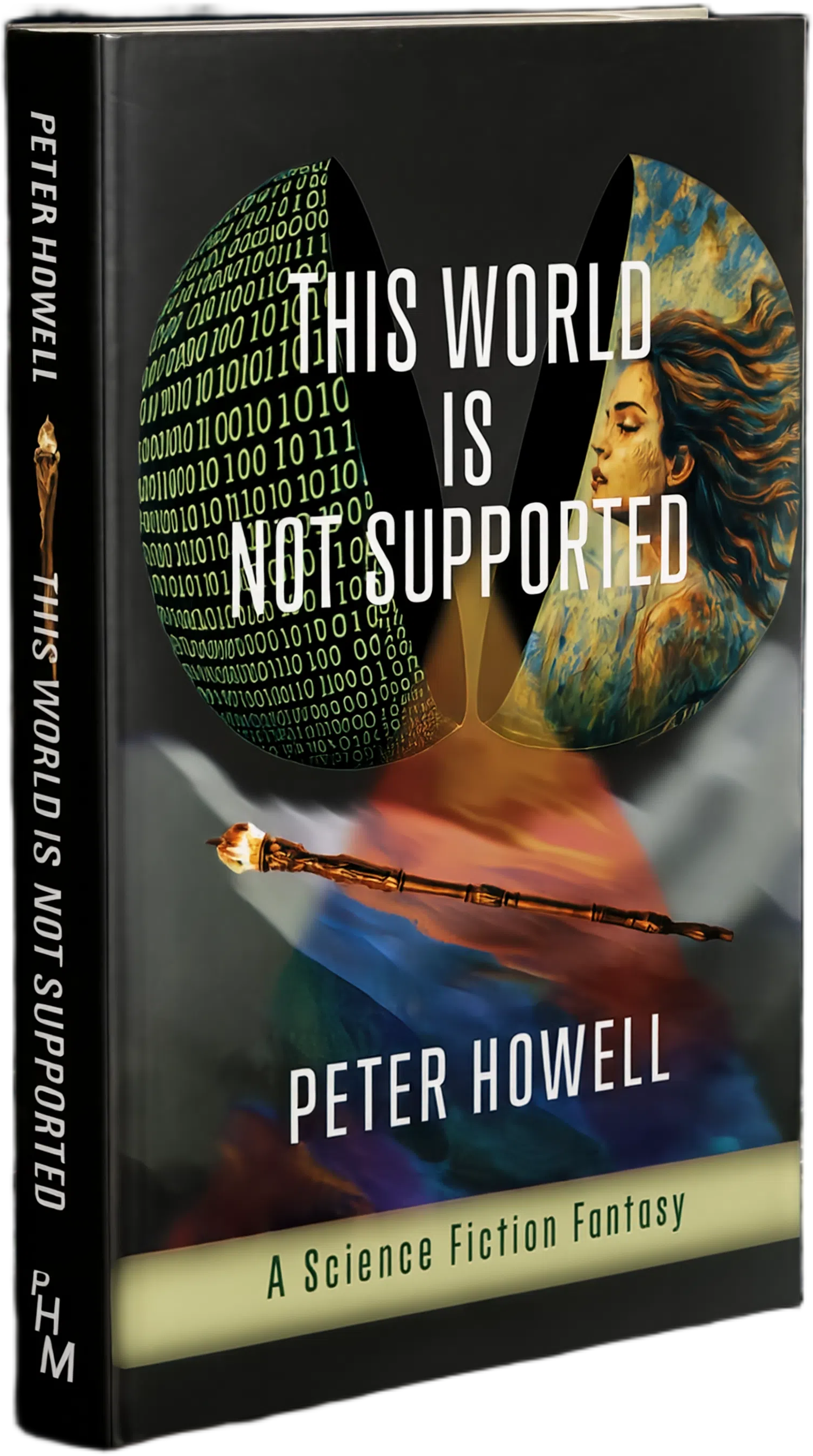
Perfect for fans of speculative fiction where artificial intelligence, mysticism and the unstable nature of reality collide.


AN AI HAS STOLEN MYSTERY - ONLY ART CAN BRING IT BACK

Art Cann has had enough of being told to choose. Arts or science. Imagination or method. Obedience or expulsion. So when his final act of rebellion reduces the university chemistry lab to rubble, he thinks the worst that can happen is getting caught.
He is wrong.
Abducted to another reality, Art finds himself in a world split into two hemispheres: logic on one side, creativity on the other, with no tolerance for anyone who has both.
Hunted, confused, and very far from home, Art’s only hope may lie with Misteri: a strange relic stolen from a mystic and reborn as an artificial intelligence. But Misteri is no obedient machine and has plans of its own.
The deeper Art travels, the harder it becomes to tell whether this place is another world, a trap, or something more dangerous.
But time is short, because the AI is waking.
And if Art is to discover the truth, he must recover the one thing no machine was ever meant to possess.
Mystery itself
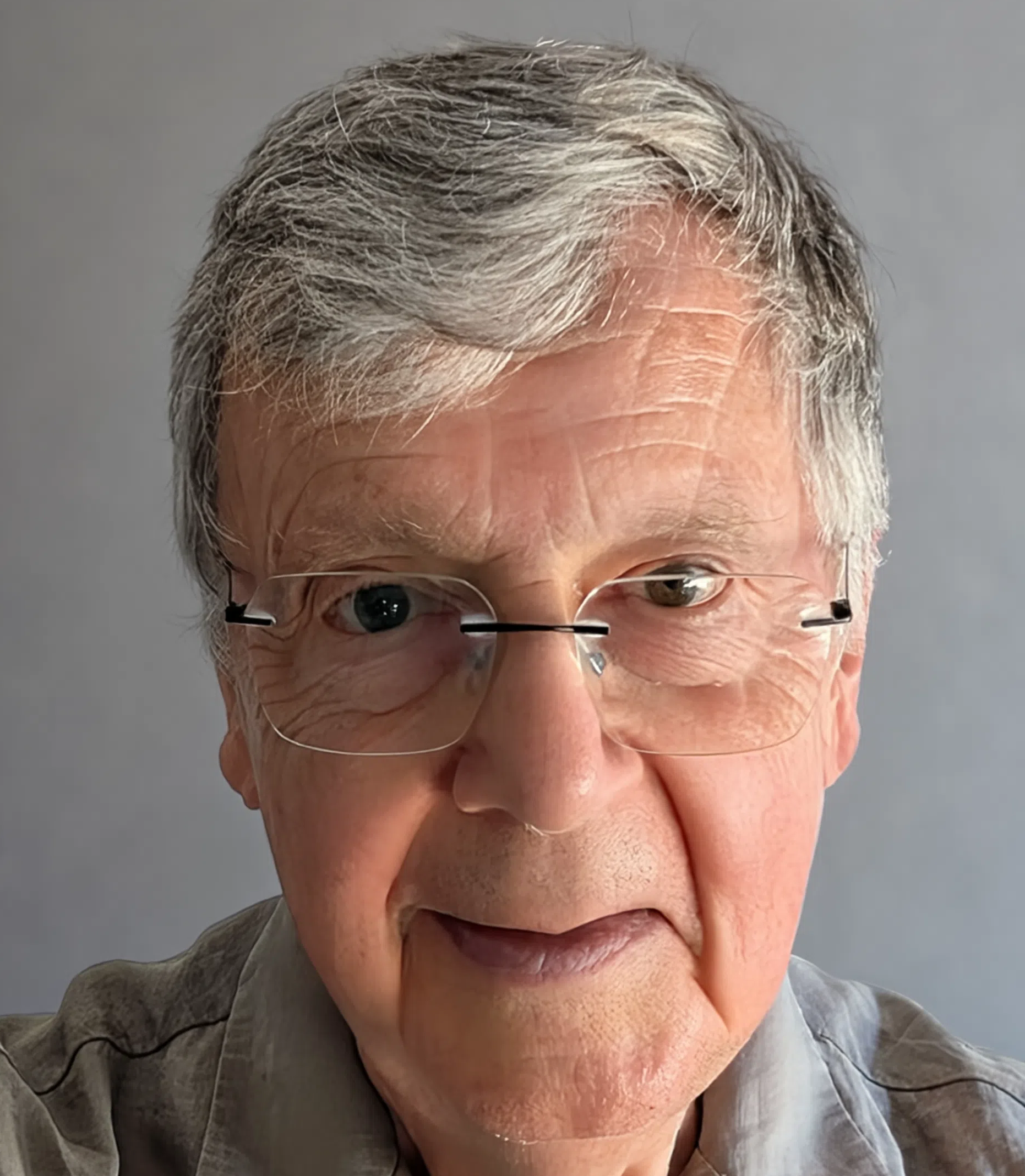
Peter Howell is a British composer. Much of his career was spent at the BBC Radiophonic Workshop, where he composed music and sound for TV, radio, and film. Although he is best known for his work on Doctor Who, his compositions have appeared across a wide range of documentaries, children’s TV, drama, and arts programmes.
His musical career began in the late 1960s, when he worked with John Ferdinando in psychedelic folk bands such as Agincourt and Ithaca, and co-wrote a series of stage shows with him.
Beyond broadcasting, Howell has also taught and mentored emerging screen composers at the UK’s National Film and Television School.
In 2009, the Radiophonic Workshop was reformed as a touring band, bringing its brand of electronic music to festivals and special events and performing more than 50 concerts across the UK and Europe.
His writing credits include an adaptation of Dante’s Inferno for radio drama, Inferno Revisited; a manual for aspiring composers of film music, Your Music on Film; and an account of his time at the BBC Radiophonic Workshop, interwoven with tales from the Radiophonic band’s many appearances, Radiophonic Times.
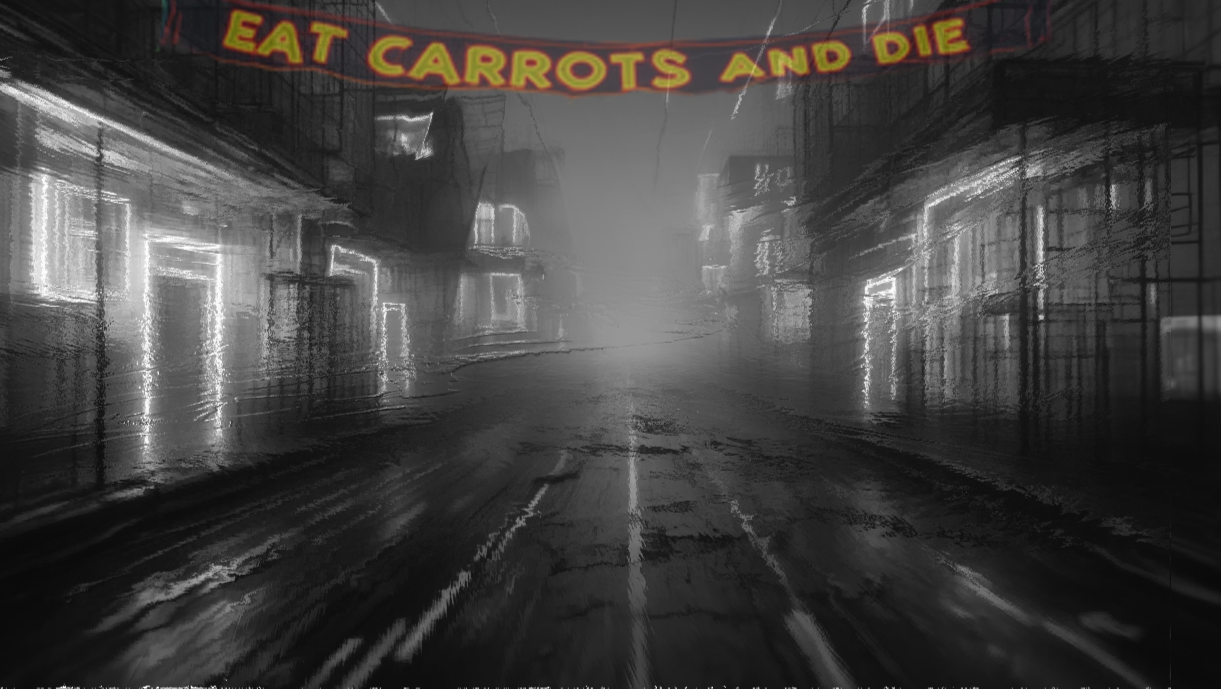
After a few minutes, the landscape gave way to a sustained burst of housing and a sign: Compendium. Isolated blocks, abstracted and disembodied, stretched in every direction. They were neither near nor far, high nor low, round nor square; a town with no heart. The only relief was a further batch of billboards extolling the virtues of food rations and the folly of eating anything else. Only Animals Eat Salad, Cooking Can Kill, and Eat Carrots and Die hung across the road, and later They’re There for the Taking, with a picture of something doughy and spherical.
“The traffic is expected to increase as we are now within the city, due to the gathering of individuals for the ceremony.”
People were walking on the sidewalks, looking at their hands.
“Is this it?” said Art. He hurriedly corrected himself. “This is it. You can leave me here.”
“The presently selected location is deemed suboptimal, necessitating substantial deviations. To reduce unnecessary displacement, relocation is recommended.”
The indistinct boxes and drab lines subsided as they approached the square. Neon signs, reading Left is Duty and Right is Black, hung on almost every building, along with a whole host of messages about ‘Stipulations’.
“Would this be an appropriate location for you to alight, given its proximity to the square?”